
Data & Privacy
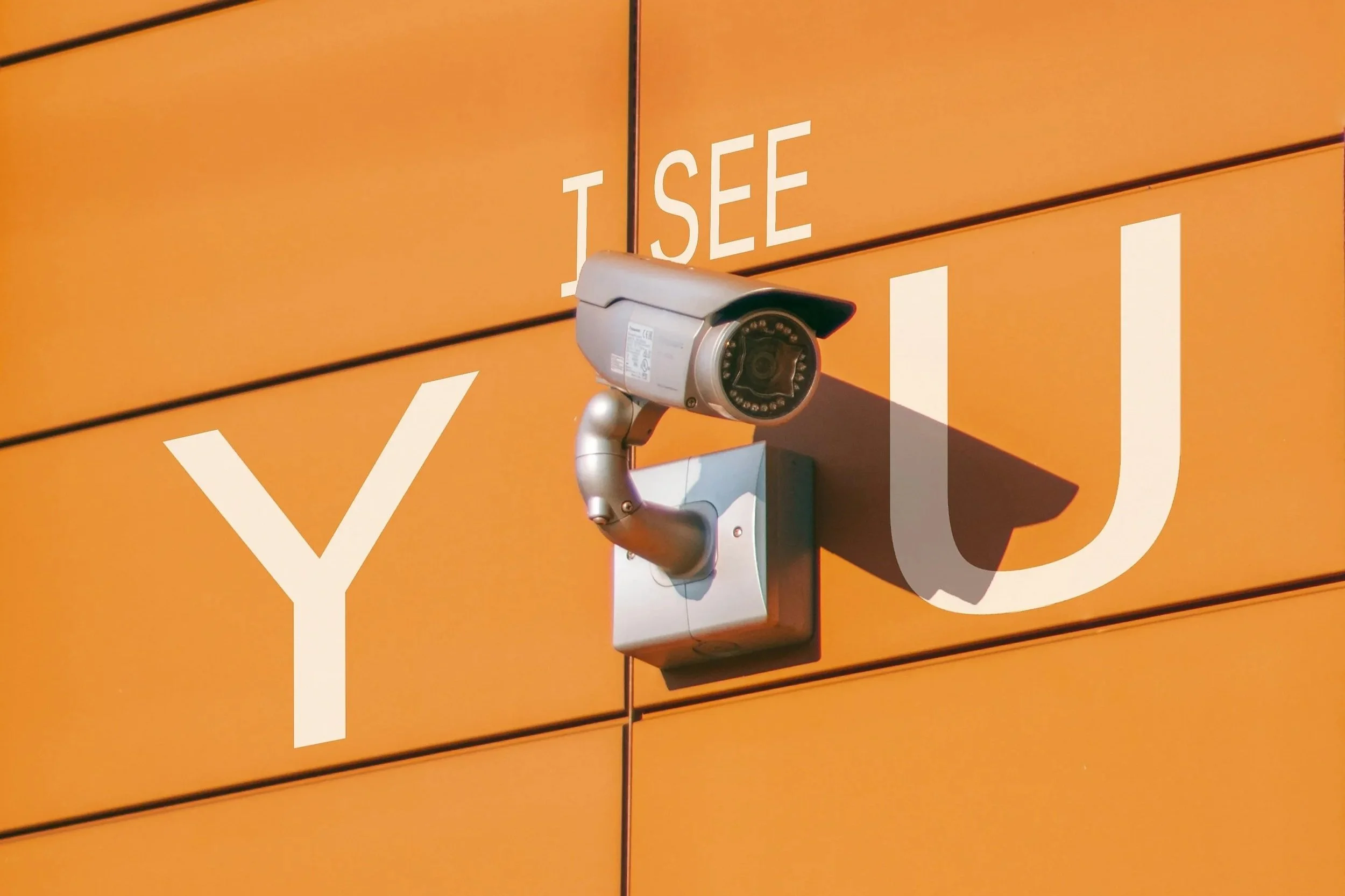
AI-powered surveillance uses CCTV, smart glasses, device location tracking, algorithms, data tracking, social media and more to collect and process vast amounts of data on individuals without their explicit consent.
Facial recognition, location tracking and behavioural analysis are widely accepted as just another aspect of modern life, but individuals are often unaware of the extent to which their activities are being monitored both in public and private spaces.
This paper from the International Journal of Academic Engineering Research discusses some of the ethical concerns raised by AI-driven surveillance and the challenges of balancing a need for security with individual privacy.
-
AI is a game changer for moving surveillance from passive recording to proactive threat detection.
-
Computer vision and behavioural analytics identify suspicious activities and automatically notify police or security teams.
-
AI systems are tireless and can monitor thousands of feeds simultaneously without fatigue.
-
If you’ve done nothing wrong, you have nothing to worry about. Do you?
-
Surveillance capitalism sells data about me to the highest bidder, without considering how it is used.
-
Predictive analytics uses inference and behavioural profiling in ways that have real-world effects on people - even if they haven’t done anything wrong.
-
Algorithmic bias frequently discriminates against marginalised groups.
-
Constant monitoring causes people to self-censor and fear of judgement makes them reluctant to exercise their rights, such as participating in peaceful protests.