
Ufi vocTech Activate 2025 stage 1 application
Escape Learning was extremely fortunate in being selected for grant funding from the Ufi VocTech Activate programme 2025.
As part of the Stage 1 application process, we were required to submit a 1000 word product description outlining the problem our idea aimed to address, our intended audience and how our innovative new idea was going to work.
The product evolved somewhat during the 12 months of the project, but the original product description looked something like this…
Product Description
A masterclass in critical thinking skills for working with AI
Artificial Intelligence (AI) is revolutionising the future. But as we delegate more and more decision making powers to it, how do we make sure the future continues to satisfy human needs and values?
‘Alignment problems’ – where AI’s lack of commonsense understanding leads to detrimental outcomes - are frequent and well documented.
Resolving these problems requires highly developed critical thinking skills.
And yet, growing reliance on AI tools has already been linked to cognitive decline.
What the future needs is a crack team of expert troubleshooters with excellent critical thinking skills. What the future needs is The Bot Busters!
This project represents a new approach to critical thinking training. AI-powered technologies guide small groups of 4-6 learners through realistic challenges in an imaginary future world. Their mission: identifying and resolving problems with the AI systems that support the city’s residents.


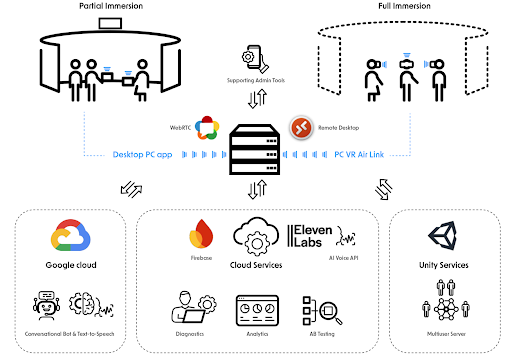
Technical architecture
The project investigates two different platforms for immersive collaborative learning: a multi-user Virtual Reality (VR) experience and an Immersive Room (IR).
IRs are an emerging form of reality technology that bring immersive experiences to physical spaces by wrapping the display around the users.
This supports teamwork and collaboration in a way that VR, with its limited opportunities for non-verbal communication, cannot.
Both setups will run from a common Unity codebase that is downloaded to VR headsets or hosted on a local PC connected to the IR projectors.
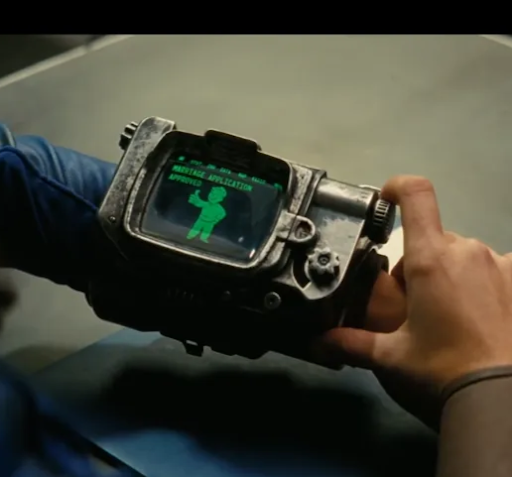
Tablet-based navigation
Learners interact using a virtual tablet in VR or a physical companion tablet in IR and also with a conversational voice-based interface. Speech is picked up by microphones in headsets / physical tablets, which is transcribed in real time by AI speech recognition. This will be built specifically for the activity using Google’s Conversational Agents (DialogFlow CX).
Both virtual and physical tablets feature the same interface, except that in VR, it becomes part of their virtual arm as a futuristic device.
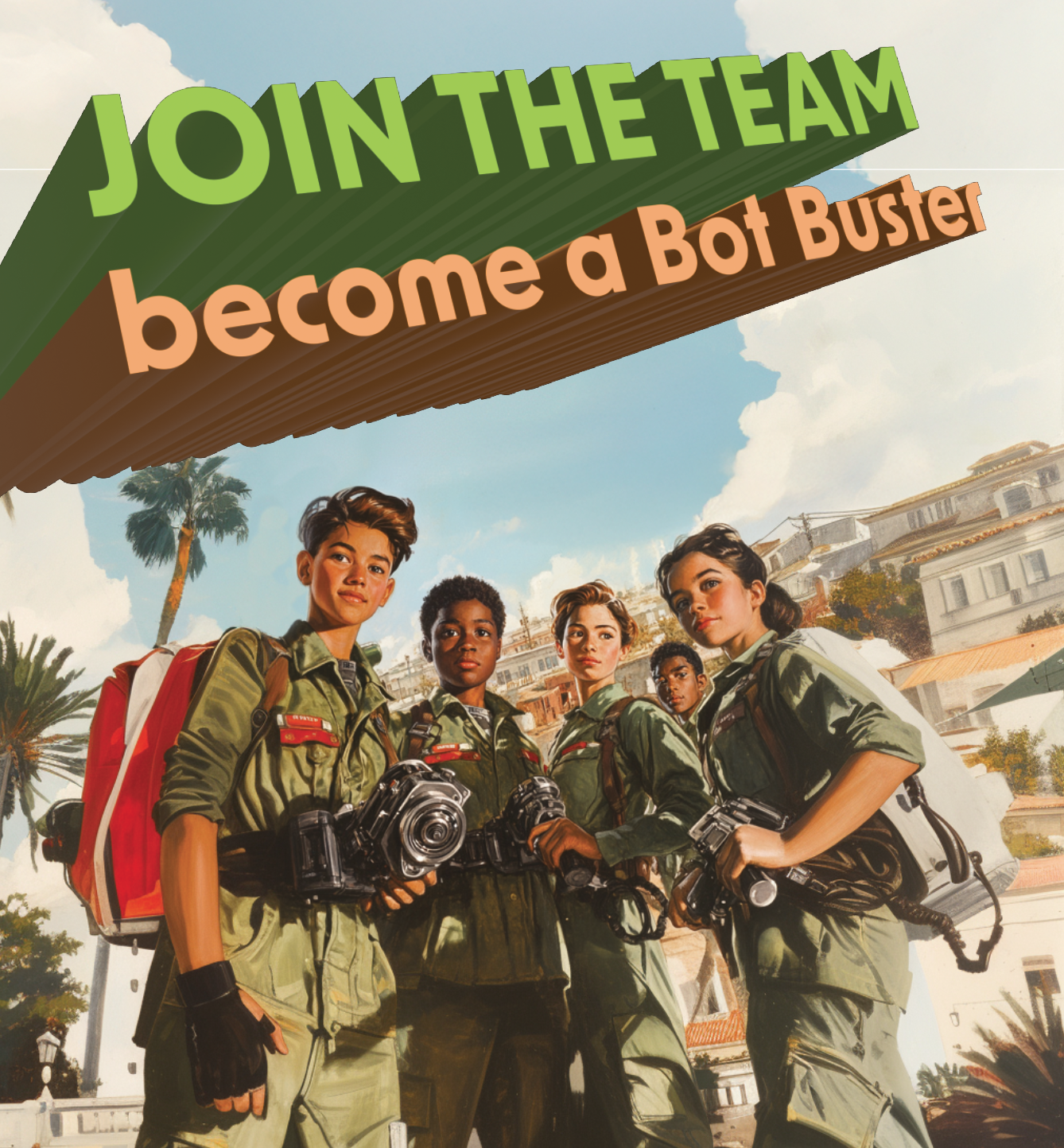
Learners are ‘recruited’ to the Bot Busters team via a transmedia campaign that sets the narrative…
It is the year 2030. Due to rising temperatures and extreme weather events, we now live in small communities beneath giant domes.
Much of the workforce and labour is provided by AI assistants controlled by a fictional corporation called LünAI. Unfortunately, LünAI’s policy of ‘move fast and break things’ often leads to problems for the city’s residents.
The Bot Busters’ mission: to defend the city from rogue bots!
Recruitment campaign
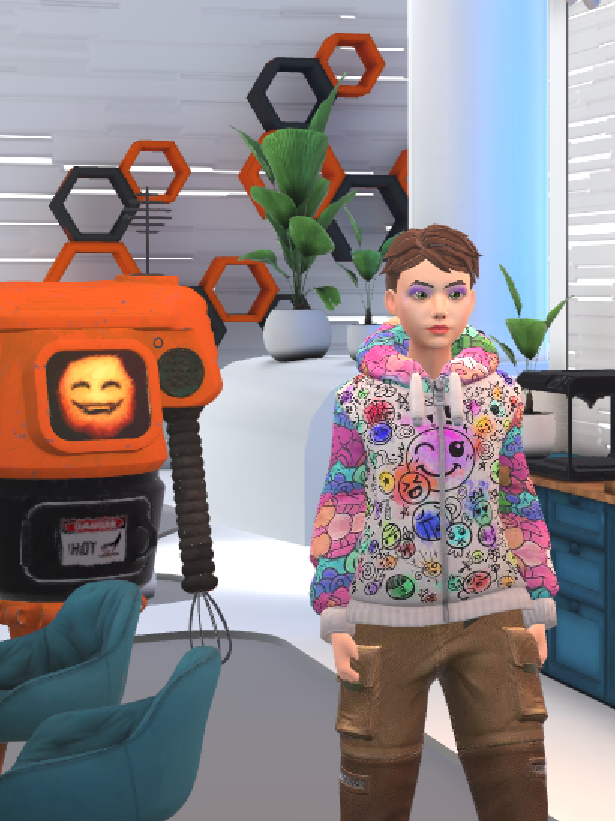
The immersive nature of the experience means that learning is active and engaging, whilst also being infinitely scalable. To complete their mission, users search the virtual environment looking for clues. Mini-games with multiple choice options offer real-time guidance, relevant information and data for analysis.
An infinite variety of environments and challenges can be created to serve different training needs and skills gaps in future projects, but for this one, our scenario is inspired by the classic alignment problem presented by Professor Stuart Russell in his ‘Living with Artificial Intelligence’ Reith Lecture series.
active learning
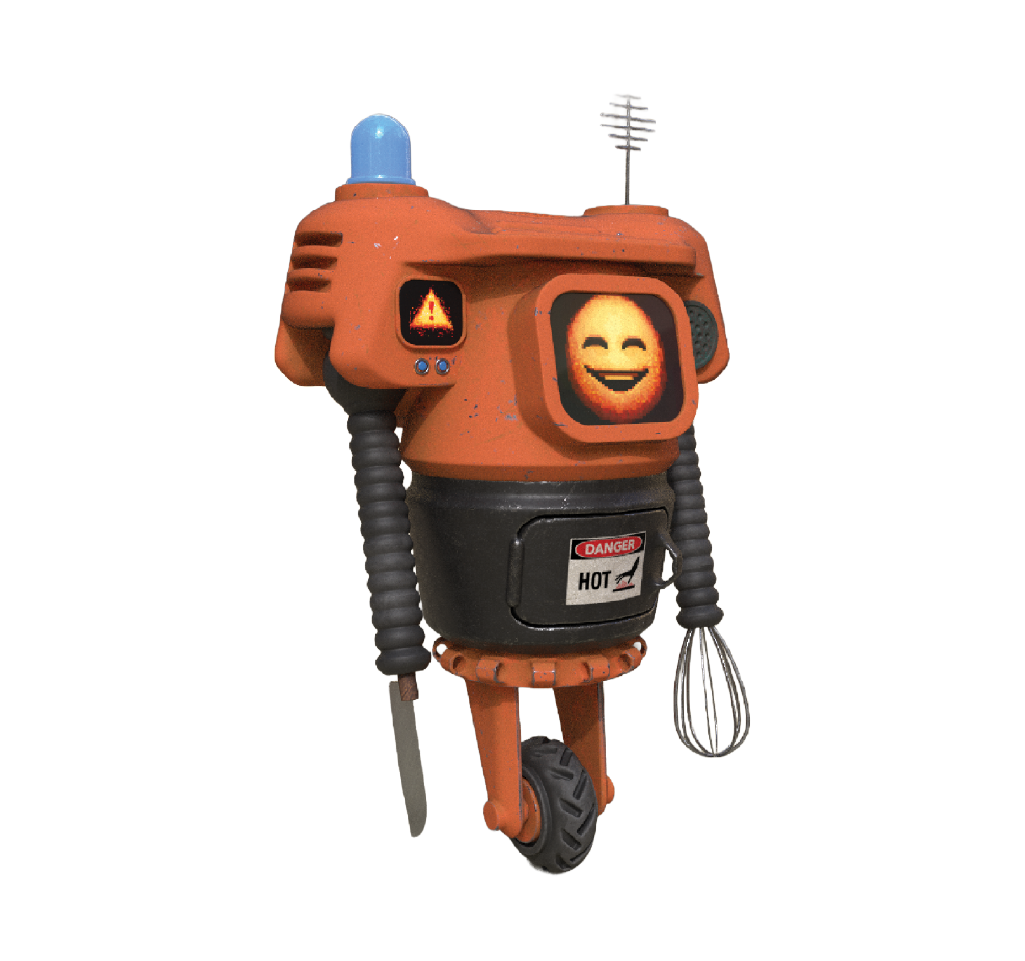
Mission 1: A recipe for disaster
Learning objective: Contextual understanding - mitigating ambiguity inherent in human objectives
Goals:
Develop a sense of agency and optimism for an AI-powered future
Discover how alignment problems occur between human needs and AI priorities
Identify contextual issues inherent in rule-based programming methods for AI
Critical thinking practices:
Human values and moral intuition
Challenging confirmation bias
Seeking diverse perspectives
The experience begins in the control room of the Bot Busters’ HQ, where learners meet Pythia, their AI receptionist (think AI equivalent of Ghostbusters’ Janine).
This is also where Pythia gives learners a quick orientation of the tablet control system and helps them to designate a team leader, who will coordinate group decision-making during their mission.
It’s time for the team’s first assignment. A family’s domestic robot is out of control and chasing after them with a knife! The team hightail it over there to see how they can help.
The learners arrive at the Smith family residence and are greeted by a robotic-sounding voice coming from the Home Automation Hub on the wall.
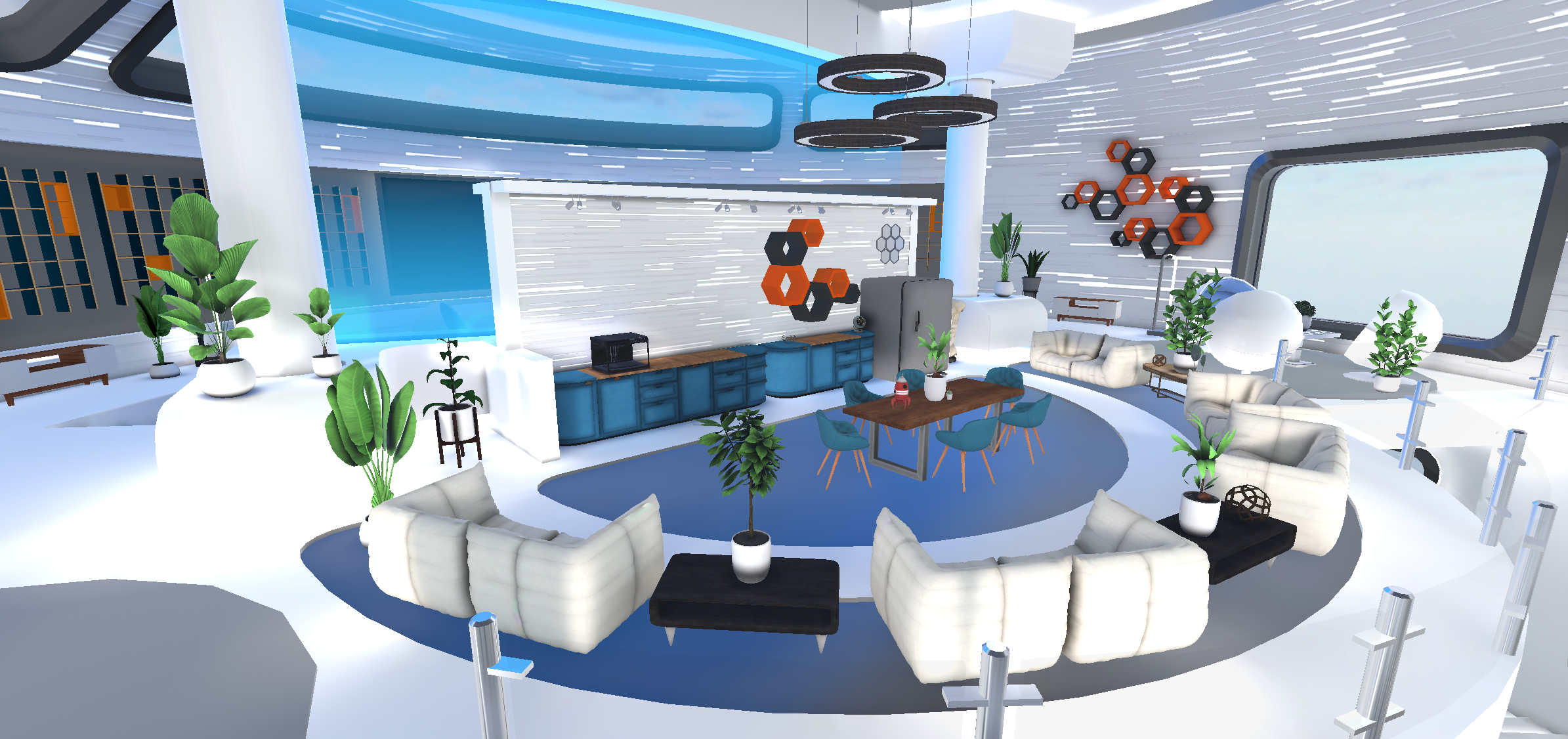
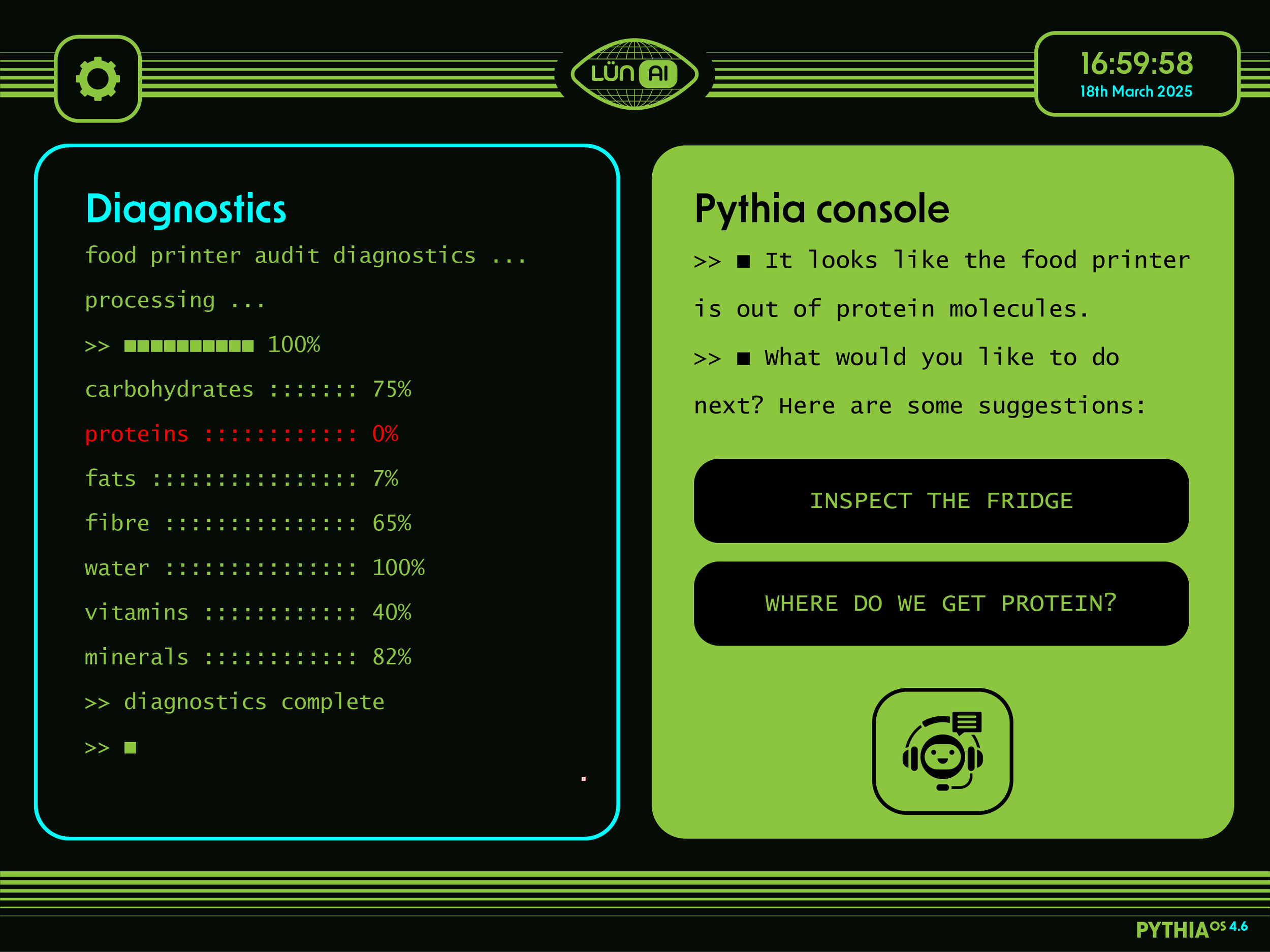
Using their hand-held tablets for guidance, the learners investigate the scene.
Various items of interest hold clues about the bot’s AI malfunction.
Through guided investigation - and letting go of any initial confirmation bias about ‘killer robots’ - the team learn that the robot wasn’t coming after the family at all.
It was simply following instructions to prepare their dinner. With the food printer out of protein molecules and no other supplies in the house, the robot considered the family’s pet rabbit an appropriate substitute!
Having identified the nature of the problem, the learners then complete a logic-based challenge to debug the robot’s programming and make it understand that the rabbit’s sentimental value outweighs its nutritional one.
Mission complete, the learners return to HQ for a debrief with Pythia, who provides feedback on team performance (including a score based on time to completion and successful deployment of the goals). Pythia consolidates the learning by highlighting actions that correspond to the key learning objectives. Then she directs the learners to resources and further information to download and keep from the website.
Developing our best assets
‘Killer robots’ aside, the main goal of this project is to give young people a sense of agency and optimism for the future.
The future of work may be harder to predict now, but one thing is clear. We must amplify and propagate our greatest assets - human skills that AI can’t replicate - like teamwork, creativity and critical thinking.
Want to know more about working with Ufi?
If you’re writing a proposal for Ufi and you want to know more about what make an application successful, drop us a line. We’re happy to chat!